
Devilline
A calcium copper sulphate mineral which forms as a secondary mineral in the oxidised zones of copper sulphide deposits.
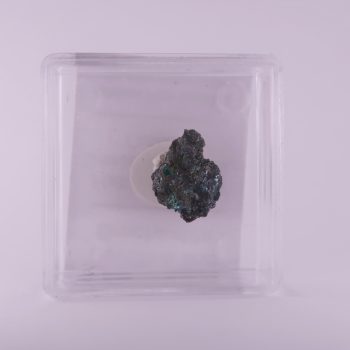
It forms quality blue-green to dark green crystals, which are often of interest to micromount collectors.
Showing the single result
Information about Devilline
Devilline is a rare secondary copper calcium sulphate hydroxide mineral forming in the oxidised zones of copper-bearing ore deposits, particularly prized for its exceptionally vivid emerald-green to blue-green tabular crystals, which can be among the most intensely coloured of all copper sulphate minerals.
It belongs to the devilline group and is closely related to serpierite. Crystals are typically flattened tabular, often forming rosette-like aggregates or fan-shaped sprays with a brilliant vitreous to pearly lustre on the perfect basal cleavage.
The mineral is named in honour of the French chemist and mineralogist Henri Ernest Sainte-Claire Deville (1818–1881), who made important contributions to chemistry including the first practical synthesis of aluminium and work on gas dissociation at high temperatures.
Uses and History
Devilline is a pure collector’s mineral with no commercial applications. It is notable for its extremely vivid colour, which rivals that of malachite and brochantite in intensity, and for producing unusually well-formed crystals for a secondary copper sulphate hydroxide mineral.
In Wales, Parys Mountain (Mynydd Parys), Anglesey, has yielded devilline as part of its remarkably diverse secondary copper mineral assemblage, which developed over centuries of copper mining activity. The Parys Mountain deposit, exploited since at least the Bronze Age and intensively from the late eighteenth century, has produced an extraordinary range of secondary copper minerals owing to the interaction of sulphide-rich ore with acidic mine waters.
Mineralogy
Hazards and Warnings
Toxic mineral: contains copper. Copper compounds are toxic. Wash hands thoroughly after handling, avoid inhaling dust, and keep away from children and food preparation areas.
Almost all rocks, minerals (and, frankly, almost all other substances on earth) can produce toxic dust when cutting, which can cause serious respiratory conditions including silicosis. When cutting or polishing rocks, minerals, shells, etc, all work should be done wet to minimise the dust, and a suitable respirator or extraction system should be used.
Translations
Arabic:
Hindi:
Portuguese:
- Devilina
Bengali:
Indonesian:
Punjabi:
English:
- Devilline
Italian:
- Devilline
Russian:
- Девиллин
French:
- Devilline
Japanese:
- デビリン石
Spanish:
- Devilina
German:
- Devillin
Korean:
Thai:
Gujurati:
Mandarin Chinese:
- 德维尔石
Urdu: