
Serpierite
Serpierite is a hydrated Calcium copper zinc sulphate mineral, which typically forms in post mining contexts, from weathering of ores and dumps.
It typically forms as tufts on matrix, or as aggregates of micro bladed crystals.
Showing all 10 results
-
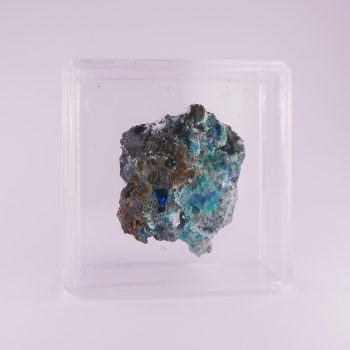
Anglesite, Linarite, and Serpierite from Meadowfoot Smelter, Scotland
£7.50 -
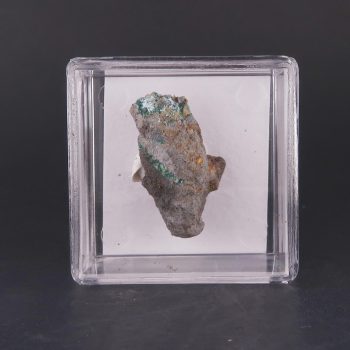

Brochantite and Serpierite from Ystrad Einion Mine, Wales
£5.00 -
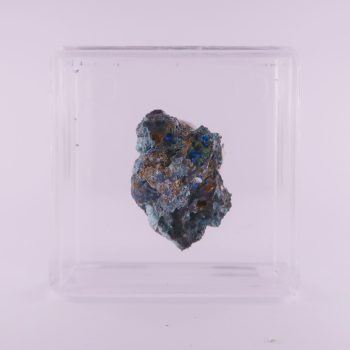
Langite, Linarite, and Serpierite from Meadowfoot Smelter, Scotland
£7.50 -
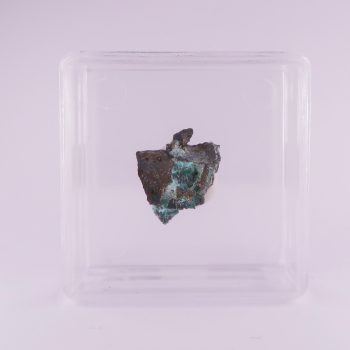
Lautenthalite and Serpierite from Meadowfoot Smelter, Scotland
£5.00 -

Schulenbergite, Serpierite and Langite from Ochsenhütte slag locality, Germany
£20.00 -
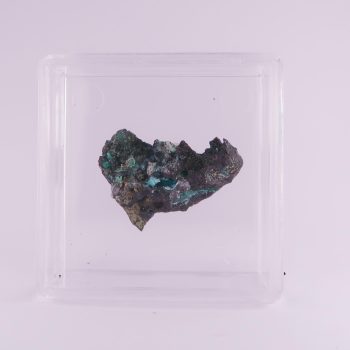
Serpierite and Wroewolfeite from Meadowfoot Smelter, Scotland
£20.00 -
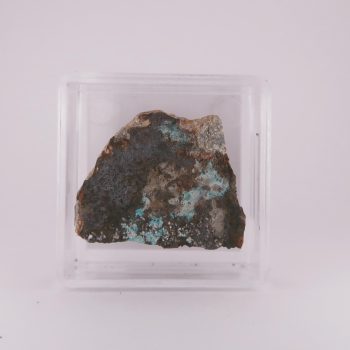
Serpierite from Lill Mine, Czech Republic
Price range: £1.50 through £7.50 -
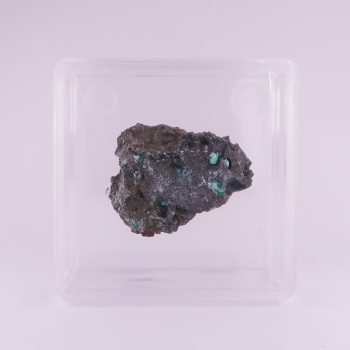
Serpierite from Meadowfoot Smelter, Scotland
Price range: £3.00 through £3.50 -
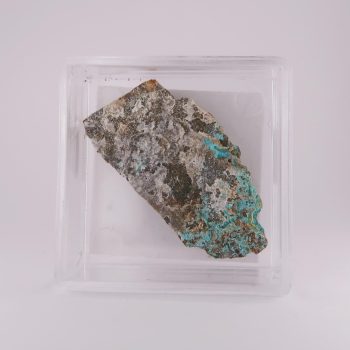
Serpierite from Smallcleugh Mine, Cumbria
£5.00 -
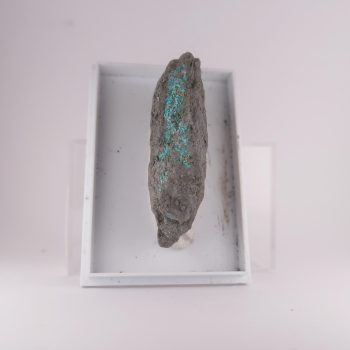
Serpierite from Ystrad Einion Mine, Wales
£3.50
Information about Serpierite
Serpierite is a secondary copper zinc calcium sulphate hydroxide mineral, and one of the more visually attractive of the secondary sulphate minerals that form in the oxidised zones of copper-zinc ore deposits – its small but vivid sky-blue to azure-blue platy crystals are distinctive.
It forms thin, lath-like to platy crystals, often in rosettes or fan-shaped aggregates, typically sky-blue to cornflower-blue to pale blue-green, with a pearly to vitreous lustre. Individual crystals are usually less than 1 mm but are visually effective in clusters. It belongs to the devilline group of secondary sulphate minerals.
Serpierite forms at low temperature in the oxidised zone of polymetallic zinc-copper deposits, where sulphate-bearing oxidising groundwater encounters zinc- and copper-bearing host minerals. Its formation requires the simultaneous availability of calcium, copper, zinc, and sulphate in solution, which is why it is relatively uncommon despite the widespread occurrence of copper-zinc oxidised zones generally.
Uses and History
Serpierite has no industrial or gemological applications. It is collected as a mineral specimen.
The mineral was first described in 1881 from specimens collected at the ancient Laurion (Lauragais) silver-lead-zinc mining district in Attica, Greece – a locality that was the principal source of silver for classical Athens, bankrolling the naval fleet that defeated the Persians at Salamis in 480 BC. It was named in honour of Giovanni Battista Serpieri (1832-1897), an Italian mining engineer and entrepreneur who revived large-scale mining operations at Laurion in the 1860s and directed them until the late nineteenth century, and who published important studies on the mineralogy and geology of the district.
The Laurion district, worked almost continuously since at least 3000 BC and still producing mineral specimens today, remains one of the finest and historically most significant mineral localities in the world.
The best collector specimens come from the Laurion (Lavrion) district in Attica, Greece, particularly from the Hilarion, Kamariza, and Agios Konstantinos mines, where serpierite occurs on gossan matrix alongside malachite, azurite, hemimorphite, and other secondary minerals.
Additional well known localities include Bisbee in Cochise County, Arizona, USA; the Cap Garonne mine near Le Pradet in Var, France; the Ojuela Mine in Mapimí, Durango, Mexico; and the Clara Mine at Oberwolfach in Baden-Württemberg, Germany.
In the UK the mineral is found in dozens of locations – both mines and smelter slag localities.
Mineralogy
Hazards and Warnings
Toxic mineral: contains copper. Copper compounds are toxic. Mineral collectors should wash their hands after handling specimens and avoid any contact with the mouth or inhalation of dust.
Almost all rocks, minerals (and, frankly, almost all other substances on earth) can produce toxic dust when cutting, which can cause serious respiratory conditions including silicosis. When cutting or polishing rocks, minerals, shells, etc, all work should be done wet to minimise the dust, and a suitable respirator or extraction system should be used.
Translations
Arabic:
Hindi:
Portuguese:
- Serpiérita
Bengali:
Indonesian:
Punjabi:
English:
- Serpierite
Italian:
- Serpierite
Russian:
- Серпьерит
French:
- Serpiérite
Japanese:
Spanish:
- Serpiérita
German:
- Serpierit
Korean:
Thai:
Gujurati:
Mandarin Chinese:
Urdu: