
Sicily
Italy
Sicily is the largest island in the Mediterranean. Along with several minor archipelagos and islands, it forms an autonomous region of Italy known as the Sicilian Region – which I’ve chosen to describe as Sicily.
Showing the single result
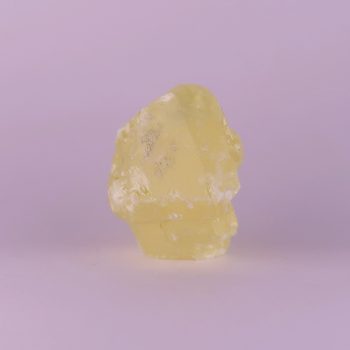
Sicily is, of course, well known for its volcanoes – other than simply the island of Sicily, the Aeolian islands are a volcanic archipelago, as well as forming several of the nearby islands.
Sicily is mineralogically renowned for its volcanic, sedimentary, and hydrothermal deposits, particularly those associated with Mount Etna and the Aeolian Islands, as well as historic mining districts such as those near Caltanissetta and Agrigento. The island has produced world-class specimens of sulfur, aragonite, celestine, calcite, gypsum, barite, hematite, galena, and various zeolites, as well as copper, lead, and silver minerals from hydrothermal veins.
Sulfur is historically one of the most important minerals of Sicily, reflecting centuries of extraction that shaped both the economy and culture of the island.
Sicily is particularly prized by collectors for its colorful aragonite and celestine crystals, often forming sharp, aesthetic clusters, as well as for vivid sulfur specimens from classic volcanic and sedimentary contexts.
In addition to its mineralogical significance, Sicily offers numerous geological and volcanic sites that are accessible to the public and of interest to tourists. These include Mount Etna and its lava flows, the Alcantara Gorges, the Aeolian Islands, and the Valle dei Templi with its fossiliferous limestone.
Further reading
We may have specimens from specific locales around Italy.
Italian locales
- Ala Valley, Lanzo Valleys, Metropolitan City of Turin, Piedmont, Italy
- Alpe Machetto Mine, Cascine Machetto, Quittengo, Campiglia Cervo, Biella Province, Piedmont, Italy
- Calafuria, Livorno, Livorno Province, Tuscany, Italy
- Gambatesa Mine, Reppia, Ne, Genoa, Liguria, Italy
- Le Cetine di Cotorniano mine, Chiusdino, Siena Province, Tuscany, Italy
- Levane, Bucine, Arezzo Province, Tuscany, Italy
- Libiola Mine, Sestri Levante, Genoa, Liguria, Italy
- Paglio Pignolino Mine, Dossena, Bergamo Province, Lombardy, Italy
- Praborna Mine, Saint-Marcel, Aosta Valley, Italy
- Roccamonfina, Roccamonfina Volcanic Complex, Caserta, Campania, Italy
- Serrabottini, Massa Marittima, Grosseto Province, Tuscany, Italy
- Triolet Glacier, Courmayeur, Aosta Valley, Italy
- Viù Valley, Lanzo Valleys, Metropolitan City of Turin, Piedmont, Italy
To view all of our Italian stock use the following links: